
The role of story and characters in educational games
When people describe an idea for an educational game to me, the first thing I usually hear is a story. A robot that has landed from space, a lost treasure, a rabbit trying to find its way through a forest. Story and characters feel like the most exciting part of a game idea, and that is perfectly natural. People love stories, and children perhaps even more. In an educational game, though, the job of the story is not only to catch the player’s interest. In this post I want to look at when story and characters help learning and when they pull attention away from it, drawing on my own experience.
The most basic contribution of a story is that it gives meaning to what the player is doing. If you tell a child “sort these numbers into odd and even”, that is an exercise. If you tell the same child “only even numbers can cross from one side of the bridge and only odd numbers from the other, so guide the travellers to the right side”, the same operation is now tied to a purpose. The student knows why they are sorting the numbers. That context also makes it easier to see in which situations the knowledge is useful.
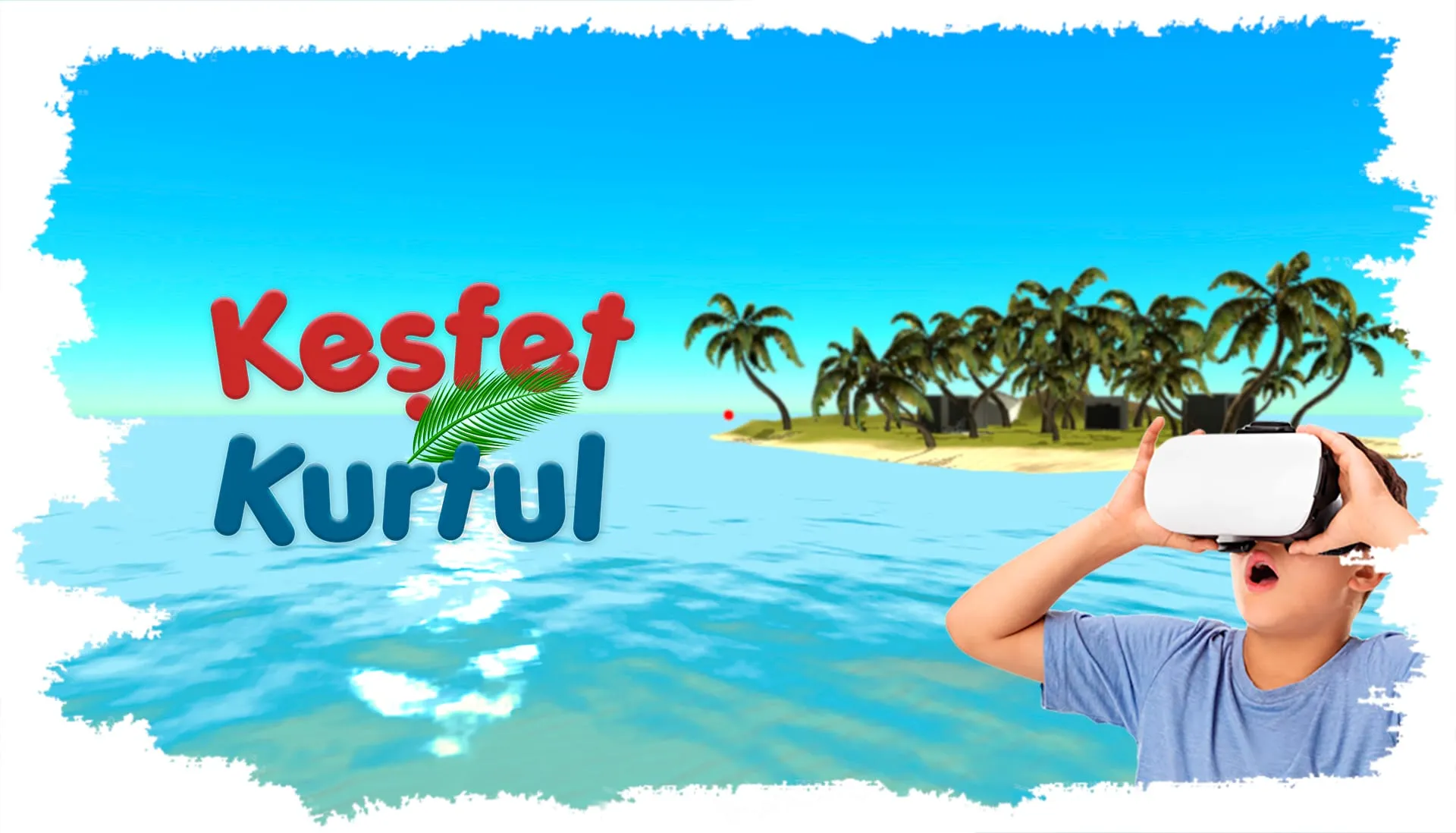
The second contribution is that a story holds the parts of the game together. Ten unrelated levels feel very different from ten stages of a single journey. When levels are designed as steps along a path, the student senses where they are and where they are heading. In Keşfet Kurtul, the student was trying to escape from a place, and that turned every clue and task they met into part of the same goal. They understood why the next step mattered without anyone having to explain it.
The third contribution, and probably the one people talk about most, is emotional connection. A character the student is curious about, wants to help, or identifies with can keep them in the game a little longer and stop them from giving up after a mistake. With young children in particular, the feeling of “this character is in trouble and I should help” can be a much stronger motivator than the wish to collect points.
When does the story distract?
The trouble starts when the story has nothing to do with the learning. A long intro video, then a set of questions, then another long cutscene. In this structure the story works like a reward, and the student sees the questions as obstacles to get past before they can watch what happens next. There are really two separate products here: a cartoon and a test. Placing them one after the other does not turn them into an educational game.
Another problem I often see in the field is a story that fills up working memory. If the student has to keep track of the characters’ names, how they relate to one another, the details of the plot and the concept they are meant to learn, all at the same time, the story starts competing with the learning. Research on multimedia learning has repeatedly pointed out that interesting but irrelevant details can weaken learning. Every detail in the story takes up some room in the student’s mind.
Characters can be distracting in their own right. A mascot that keeps moving, talking and cracking jokes in the corner of the screen may be fun for the first few minutes, but if it interrupts while the student is trying to think through a problem, it becomes an obstacle rather than a help. Deciding when a character speaks and when it stays quiet is as important as deciding what it looks like.
Then there are cases where the story contradicts the content. This needs particular care in science topics. If you build a world that bends the laws of physics or has animals doing things they could never do, just to make the plot more exciting, students may struggle to tell which ideas belong to the fiction and which belong to the real world. The fiction can be free, but the concept you are teaching should always be shown correctly.
Tying the story to learning
My suggestion is to let the story grow from the same place as the game mechanic. First decide what the student will actually do in the game, then build a world in which that action makes sense. If the student is comparing fractions, imagine a situation where that comparison naturally matters. The story should explain the action, and the action should move the story forward. If you can pull the two apart, the link is weak.
Keeping the story short and light usually works better too. Educational games rarely need a complicated plot. A situation you can describe in one sentence, a clear goal and the things that must be done to reach it are often enough. Keep cutscenes short, let students skip them when they want to, and wherever possible deliver the important parts of the story inside the game, while the student is acting.
When you design characters, give them a job. A character can offer hints, help the student notice a mistake, or be a friend who “learns” something from the student. That last approach is especially interesting. Designs in which the student explains something to a character or corrects its mistake can push the student into deeper thinking. Most of us have experienced how trying to explain something to someone else strengthens our own understanding.
Think about the diversity of your students when choosing characters as well. Characters that students can see themselves in strengthen the feeling that the game was made for them. Avoiding exaggerated, stereotyped portrayals and keeping characters simple but warm is generally a good path.
Age also sets the dose of story. For preschoolers and children in the first years of primary school, a familiar character and a simple helping storyline work very well. Middle and high school students, on the other hand, quickly distance themselves from a story that feels childish to them. At these ages, storylines that leave room for decisions and show the consequences of choices attract more interest. A story that works brilliantly with one class can fall completely flat with another.
We had a similar discussion in Tokat, when we worked with ICT teachers to build a VR game about odd and even numbers for third graders. Some of the story ideas the teachers proposed were quite rich, but we tested each one against the question “what does the student do with odd and even numbers in this story?” Ideas that could not answer it clearly were dropped, however fun they seemed. The storyline that remained was simple but functional.
The best way to find out whether a story is working is, once again, to watch students. After playing, do they tell you about the story or about what they did? If they remember the character’s name but not the concept, the story has taken over. If they say things like “I did this because the character needed that”, the story and the learning are connected.
Story and characters are powerful tools in educational games, but they are easy to misuse. A story that gives meaning to a child’s struggle with a problem and makes them a little more patient is a real gain. A story that has nothing to do with the problem and simply fills the screen makes the game more expensive and less instructive. Asking “how does this help the student learn?” of every story element during design is the most practical way to tell the two apart.
See you soon.