
How to support digital literacy at home
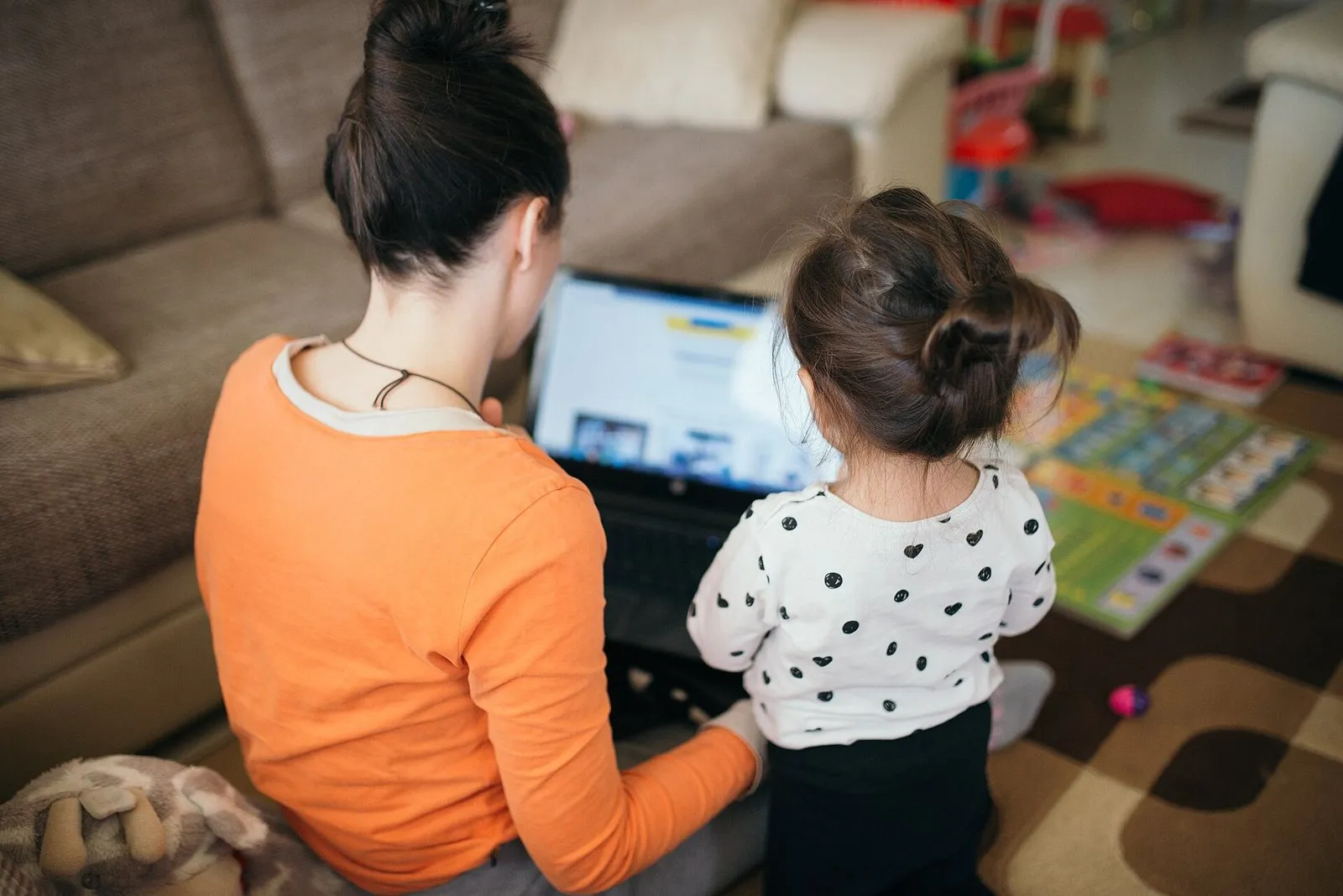
We often hear that children learn to use devices faster than we do. When it comes to opening an app, editing a video or finding their way around the menus of a new game, they really are quick. But using a device comfortably is not the same skill as evaluating the information you find online, protecting your own data and anticipating the consequences of what you share. That second group of skills is what we really mean by digital literacy. Schools play an important role here, but these skills grow most in everyday life, which means at home.
The good news is that you do not need to be a technology expert to support them. Being curious together, asking questions and showing your own habits by thinking out loud is usually enough. What I describe below does not need a separate lesson. It fits into dinner conversations or the moments when you look something up online together.
Questioning where information comes from
Children tend to take what they find online at face value. A well-designed website, a video with lots of views or someone who speaks with confidence easily gives the impression of being right. That is why one of the most valuable habits you can build at home is checking the source first whenever a piece of information shows up.
An approach researchers call “lateral reading” works very well here. Instead of staying on a page and reading on to decide whether it is trustworthy, you open a new tab and find out from other sources who is behind the page or the content. Professional fact-checkers largely work this way. When your child finds something for their homework, you can look at a few simple points together: who made this, why they made it, when it was published, and whether other reliable sources say the same thing.
A similar approach works for photos and videos. A reverse image search shows whether a picture was really taken where and when it claims to have been. Trying this once with your child is enough for them to see that a photo may have been taken years earlier for a completely different event. Now that realistic images and voices can be generated artificially, the awareness that “not everything I see actually happened” matters more than ever.
Telling advertising from content is part of the same skill. Young children do not always notice that the toy featured in a video is actually an ad. Talking about why a creator they like is praising a product, and what labels like “sponsored” or “ad” mean, helps them recognize the moments when someone is trying to persuade them. The same goes for headlines. When you see one that makes you very angry or very surprised, you can show through your own example why it is worth pausing for a minute before sharing.
Your own attitude is decisive here. Reading a news item that arrived in the family group chat and wondering out loud, “Where could we check this?” is far more effective than explaining the habit. When you realize you were fooled by a story, sharing that with your child is a good example too. They see that anyone can be wrong and that what matters is checking.
Privacy and the digital footprint
The second big area of digital literacy is how children protect their own information and what kind of trail they leave online. For many children it is not obvious what counts as personal information. They know not to share their full name or phone number, but they do not realize that a photo in their school uniform, a video filmed in front of their house, or a location shared at the same time every day can also reveal who and where they are.
A good way to talk about this is to look at the permissions an app asks for while installing it together. Asking why a simple game wants access to the microphone, contacts or location helps your child notice how apps relate to data. In the same way, practising together how to create a strong password, why it should not be shared even with a best friend, and how to switch on two-step verification wherever possible makes this knowledge stick.
To explain the idea of a digital footprint, try searching your own name online together. Seeing what comes up shows in a concrete way that what gets shared online stays accessible for a long time. The point I want to stress is that a deleted message or a post that disappears after a while can still be captured in a screenshot. Telling your child “Imagine everything you share online is pinned to the school noticeboard” is an easy, age-appropriate way to put it.
A digital footprint is not only about risks. Your child can also leave a trail they will be proud of later. A project they made, a story they wrote or a school piece they contributed to is part of that trail too. So rather than talking only about what is forbidden, it is more constructive to talk about the question “What would you like to be known for?”
Respecting other people’s information belongs here as well. Not sharing a friend’s photo without asking, not carrying what was said in a group chat somewhere else, and not writing anything online that they would not say face to face protect both your child and the people around them. Rather than presenting these as a list of rules, discussing them through a real situation, such as something that happened at school, makes them much more memorable.
What these conversations cover changes as your child grows. In preschool and the first years of primary school, the core message is simple: when you see something strange, scary or confusing, show it to an adult. By the middle school years you can go deeper. Explaining that the content in their social media and video feeds is chosen by an algorithm, that the algorithm pushes whatever gets the most engagement, and that this does not always mean the most accurate or the best content, helps teenagers look at their own feeds more critically.
None of this needs a separate training plan. Touching on these topics while you research homework together, install an app or read the news makes digital literacy a natural part of everyday life. As your child grows, they will start asking these questions themselves. That is exactly the goal: a child who can stop and think even when we are not there.
See you soon.
Image: Shixart1985, CC BY 2.0, Wikimedia Commons.