
Risks for children in digital gaming
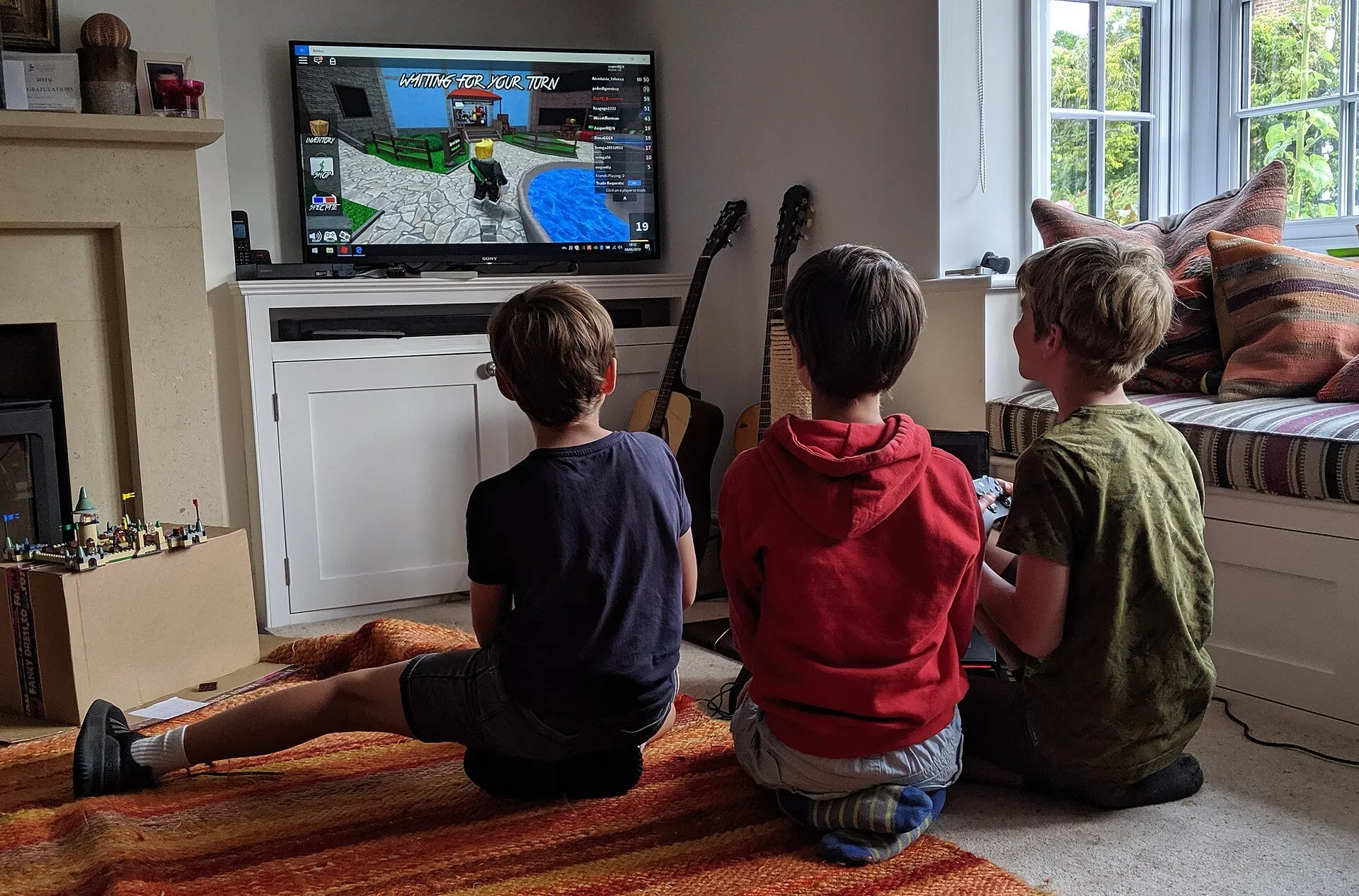
Digital games are now an ordinary part of children’s lives. On phones, tablets, computers or game consoles, the vast majority of children play games in some form every day. As someone who has worked on educational games for a long time, I know firsthand how powerful a tool games can be for learning. But that same power, when it is not managed well, can also create a range of risks for children. In this post I will try to list those risks and touch on what can be done about each of them.
Let me say this up front: my aim is not to demonize games. Banning games outright usually does not work. It tends to lead children to play in secret and to stop sharing the problems they run into with you. Knowing the risks and managing them together with your child is a much healthier path.
The best-known risk is a child coming across content that is not appropriate for their age. Games with violence, horror elements, inappropriate language or gambling-like mechanics are not suitable for young children. Age ratings such as the PEGI system used in Europe are a good starting point. Always check the age rating and content warnings on the game’s box or on its app store page.
Still, ratings do not tell the whole story. On multiplayer platforms in particular, and on those where users create their own content, the content produced by other players may not be appropriate for your child even if the game itself is harmless. That is why playing your child’s game with them for a while tells you much more than reading the rating does.
Many games today have text or voice chat. Children can easily communicate with strangers inside a game. Although this communication is harmless most of the time, it is also a fact that people with bad intentions can use games to reach children. Children need to be aware of people who first approach them like a friend to win their trust and then ask for personal information, photos or a meeting.
The most important thing you can do here is go through the game’s privacy settings together and limit chat to friends your child actually knows. Beyond that, open communication with your child is essential. Knowing that they can tell you about something that upset them in a game without getting into trouble is more protective than any technical setting.
A large share of free games make their money from in-game purchases. Character outfits, extra levels, in-game currency… Children do not always realize that these purchases are made with real money. Loot boxes, which offer rewards whose contents are unknown in advance, deserve extra attention because their structure resembles games of chance.
Turn on password or approval requirements for purchases on your device and in the app store. Talk with your child about the relationship between in-game currency and real money. Setting a specific allowance and deciding together how it will be spent helps your child manage this risk and also learn about managing money.
Games are, by design, built to keep players playing. The “just one more level” feeling, daily quests and events that must not be missed make it hard for children to put a game down. Long hours of play affecting sleep, physical activity, homework and face-to-face social relationships are among the most common problems.
The World Health Organization recommends limiting sedentary screen time for young children. For older children, it makes more sense to look at balance than at a single correct number of hours. Are sleep, school, movement and family time in good shape? If the answer is yes, play time is most likely not a problem. Spending the last hour before bed without screens and charging devices outside the bedroom are simple but effective steps for better sleep.
Most children play games in a healthy way. In some children, however, gaming can become something they cannot control. Signs worth paying attention to include intense anger or restlessness when they cannot play, pulling away from activities they used to enjoy, a noticeable drop in school performance and repeatedly lying about how long they have been playing.
If you observe these signs over a long period, do not hesitate to share your concerns with a professional, for example the school counseling service or a child and adolescent mental health specialist. Situations that are noticed early are much easier to manage.
Looking at a screen in the same position for a long time can lead to eye strain and neck and back pain. With immersive technologies such as virtual reality, effects like dizziness and nausea can also occur. Taking breaks at regular intervals, keeping a proper distance between the eyes and the screen and making sure the room is well lit all reduce these effects. With virtual reality headsets, always respect the minimum age set by the manufacturer.
Multiplayer games can be one of the places where bullying at school spills over into the digital world. Being insulted constantly, being left out of the game or having one’s account taken over is a serious source of stress for a child. If your child looks noticeably upset or tense after playing, try to talk calmly about why. Most games have options for blocking and reporting abusive players. Learn how to use them together with your child.
So what should you do?
It is not possible to eliminate all of these risks with a single rule. But a few basic approaches prevent most of them:
- Get to know the games your child plays, and play with them from time to time.
- Check age ratings and content warnings.
- Set up privacy, chat and purchase settings together.
- Agree on play time by talking it through with your child, and follow the rules yourself too.
- Make sure your child knows they can come to you when something goes wrong.
I especially want to stress the last point. Children often hide the problems they face in the digital world from their parents because they are afraid their devices will be taken away. If your child knows that your first reaction to a problem will be support rather than punishment, you can solve a good share of these risks together before they grow.
See you soon.
Image: Henry Burrows, CC BY-SA 2.0, Wikimedia Commons.