
When should a child get their first smartphone?
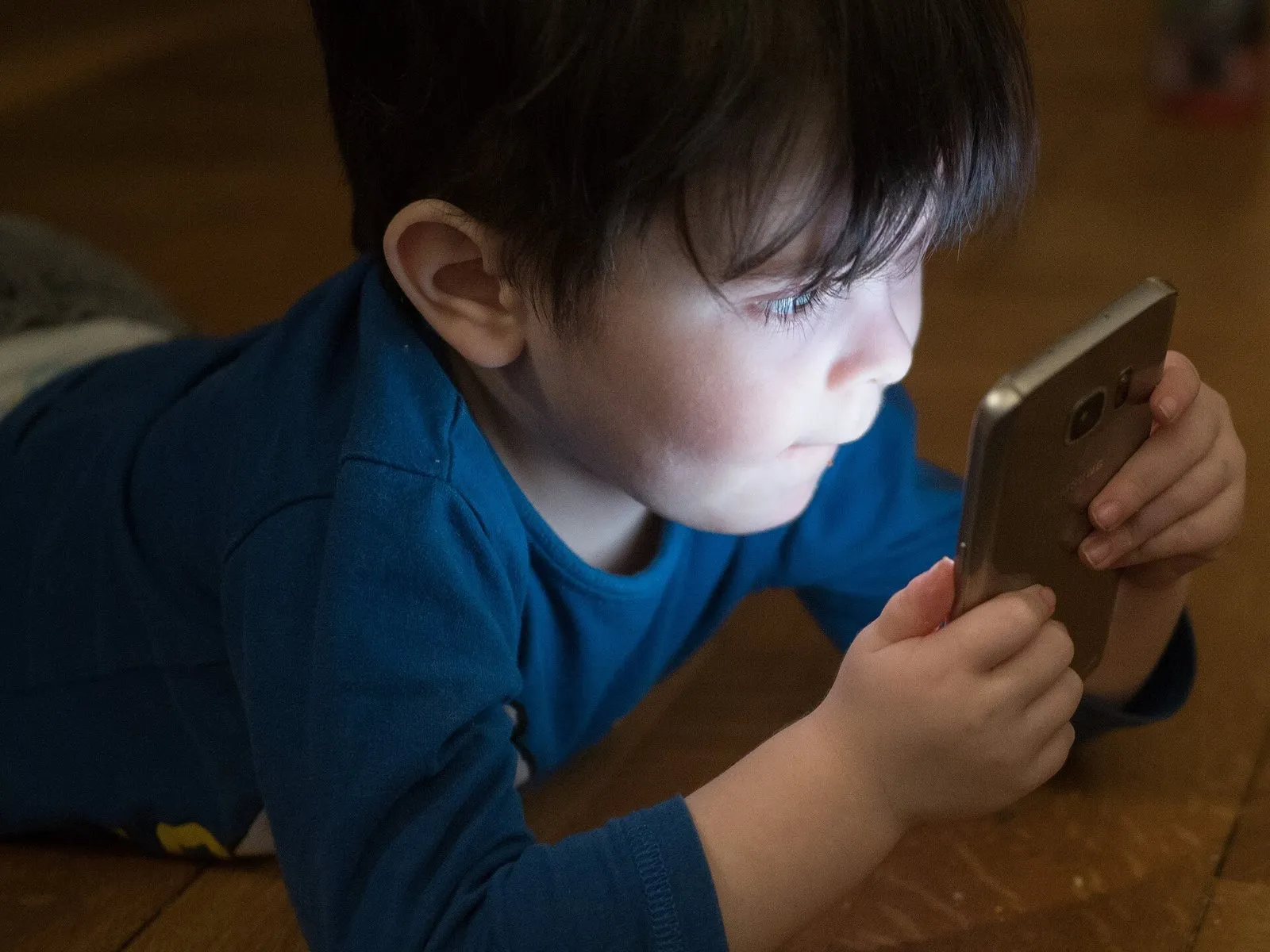
One of the questions I hear most often from parents is this: “At what age should I get my child a phone?” Most parents who ask it are hoping for a number. Ten, twelve, the start of middle school. A clear threshold is reassuring. Unfortunately, there is no answer that fits every family. Instead of giving you an age, I want to share the points I suggest you think through before you decide.
Start by being clear about which need the phone is supposed to meet. If your child travels to and from school alone, if pick-up times keep changing, or if they need to stay in regular contact with parents who live in separate homes, being reachable is a real need. “Everyone in my class has one,” on the other hand, describes pressure more than need. That pressure should not be dismissed, because feeling left out is genuinely hard for a child. Still, separating the two makes it much easier to decide what kind of device and which rules you actually need.
If the need is only calling and texting, a smartphone is not the only option. Basic phones that can only call and send text messages, or watches that can make calls and share location, cover most of it. My suggestion is that if your child needs to be reachable early, you begin with one of these in-between steps. That way your child learns to carry a phone, keep it charged, not lose it and reply to you on time, without meeting the whole internet at the same moment.
Readiness matters more than age
Two children of the same age can be in very different places when it comes to a phone. That is why readiness is a more useful guide than age. Look at how well your child looks after their belongings, and whether they follow the screen-time rules you already have on their own or whether the tablet has to be taken away every time. Whether they tell you when something upsetting happens, and whether they can stick to a bedtime, matter just as much.
If most of what you observe is positive, your child is getting ready to manage a phone. If most of it is not there yet, that is not a failure. It simply means they need a bit more time and some smaller steps. Think of readiness as a skill you build together rather than an exam they have to pass. A shared family tablet or computer can be a safe place to practice these skills before a personal phone arrives.
Social media is a decision that deserves to be made separately from the phone. Most mainstream social media platforms require users to be at least thirteen in their own terms of service. That limit does not mean a child is ready for social media at thirteen. It only tells you the platforms were not designed for anyone younger. Getting a phone does not have to mean permission to open social media accounts, and I recommend you discuss these as two separate decisions.
Think about sleep, too. Notifications through the night, screen time in bed and the “one more video” loop are among the habits that disrupt children’s and teenagers’ sleep the most. Making it a rule from day one that the phone charges overnight outside the bedroom, in the living room for example, is far easier than trying to introduce that rule later.
Let the phone arrive with rules
The day the phone arrives is the best day to talk about rules. Any restriction added later can feel like a punishment to a child, while rules agreed at the start become part of the deal. Many families turn these rules into a simple family agreement that everyone writes and signs together. Such agreements usually cover:
- When and where the phone is not used, such as at the dinner table and at night
- Which apps can be installed and how that gets approved
- What to do about messages and calls from people they do not know
- What to think about before sharing photos or location
- How your child can reach you when something goes wrong
Do not treat this agreement as something carved in stone. As your child grows and shows responsibility, you can relax the rules together. Saying this out loud also shows your child that the rules are not a sign of distrust but part of an independence they can earn.
Phone operating systems come with built-in parental controls. You can require approval for app downloads, limit the device at certain hours, filter content that is not age-appropriate and require a password for purchases. I suggest setting these up with your child rather than behind their back. A child who knows what is restricted and why is more likely to learn to live with the rules than to look for ways around them. Keep in mind that technical controls are never complete. Whatever your child sees on a friend’s phone, at school or at a café is outside your settings. The real protection is your child knowing they can come to you when something goes wrong.
It also helps to walk alongside your child more closely during the first few weeks. Looking at which apps they use together, reviewing a message that came in, or talking about how to behave in a group chat shows them their new responsibilities in a digital space. Class group chats in particular, with exclusion, teasing and conversations that run late into the night, are among the problems I often see in the field. Talking about these situations before your child faces them means they will know what to do when they do.
Set up the phone together as well. Choosing a strong screen lock, talking about why it should not be shared with friends, reviewing location permissions app by app and showing how to find the device if it gets lost all help your child get to know their phone. These small details lay the groundwork for the bigger safety issues they will meet later.
Your own phone use is part of this process. A no-phones-at-dinner rule that only applies to the child will not last long. Making the rules apply to everyone in the family makes them far easier for your child to accept.
Talking to other families can make the decision easier too. If a few families in the same class settle on a similar approach to when and with which rules a phone is given, the “everyone has one except me” pressure drops noticeably. Talking with teachers and school leaders about phone rules at school also helps keep home and school rules from contradicting each other.
Whenever you decide, I suggest presenting the phone not as a reward or a milestone but as a new responsibility you will learn about together. Whether it comes early or late matters less than how it enters your home and how you keep talking with your child afterwards.
See you soon.
Image: Andi Graf, CC0, Wikimedia Commons.