
Parents' use of technology and artificial intelligence
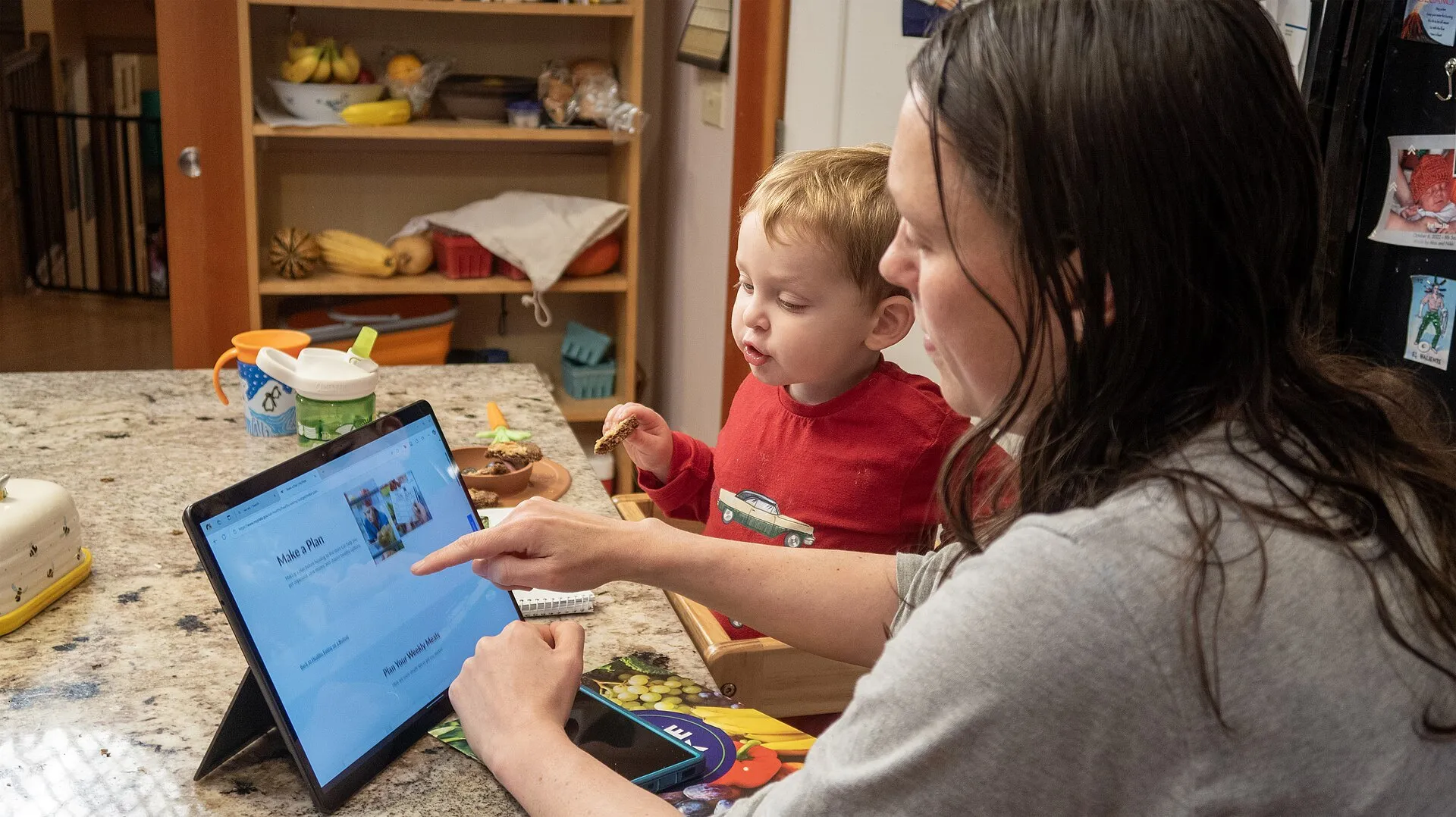
When we talk about children’s use of technology, we usually focus on the child. How many hours they spend in front of a screen, which games they play, which apps they use… But there is one point that often gets overlooked in these discussions: children learn how to use technology mostly by watching us. In this post I want to look at why the way parents use technology, and the AI tools that have rapidly entered our lives, matters for children, and what can be done about it.
A parent who is busy with their phone at dinner, who does not take their eyes off the screen while talking to their child, or who scrolls through social media in every spare moment is not very convincing when they tell their child to “cut down on screen time.” Children learn their relationship with technology largely from the examples they see at home. So before you set a rule about your child’s technology use, I suggest thinking about whether the same rule could apply to you as well.
Rules such as keeping the dinner table phone-free, not taking devices into bedrooms or spending a certain block of time on weekends without screens are adopted much more easily when they apply to the whole family. There is one more thing. If you need to look at your phone while you are with your child, briefly saying what you are doing (“I’m texting Grandma”, “I’m checking the time of tomorrow’s meeting”) is a simple way to show that technology is being used for a purpose.
Especially with young children, technology is at its most productive when parent and child use it together. Watching a documentary together, exploring an educational app together or playing a game side by side turns the screen into a shared experience. Asking questions along the way, connecting what you see on screen to everyday life and listening to your child’s thoughts turn technology from passive consumption into an active learning process.
Handing a child a tablet to calm them down or keep them busy may sometimes be unavoidable, and I do not want to judge that. But it is worth making sure it does not become a habit. Learning to be bored, to wait and to regulate their emotions without technology is also an important part of a child’s development.
AI tools in the home
In the last few years, chat-based AI tools have entered our lives very quickly. Parents use them for many purposes, from finding recipes to work emails, from helping with a child’s homework to planning trips. Children meet these tools either through their parents’ devices or through their own.
The parent’s role here is crucial, because the first example of how to use AI tools that a child sees will most likely be at home. A parent who accepts an AI tool’s answer without question and a parent who says “Let’s check this against another source too” teach their child very different things.
The most important thing to know about AI tools is that they can give wrong information in very fluent and confident language. These tools answer not because they know the subject, but because they generate plausible answers. That is why, on important matters, especially in areas like health, law and finance, the information an AI gives should be verified with reliable sources.
You can see this as a nice opportunity to talk with your child. Together, ask an AI tool a question about a topic your child knows well and try to find the mistakes in the answer together. This small activity helps your child see AI not as a source of knowledge but as an assistant whose work needs checking.
One of the questions parents ask most often is about children using AI for homework. Rather than an outright ban or complete freedom, it makes more sense to look at how the tool is being used. Having the AI write the homework directly removes the learning. But asking it to explain a topic in a different way, asking for feedback on a piece of writing, or getting a hint while solving a problem can support learning.
The most important thing you can do as a parent here is to find out what your child’s teacher expects on this and to talk openly with your child. Building a shared understanding in the family of when using AI is help and when it is cheating makes it easier for your child to form a healthy relationship with these tools.
We should not forget that everything we type into AI tools gets processed somewhere. Think twice before sharing your child’s photos, health information, or school and address details with these tools. Check in the settings how the tool you use stores your data and whether it uses it for training.
The same care applies to social media posts. Before sharing photos of your child, think about whether they might be uncomfortable with that post later on. And after a certain age, asking your child’s permission before posting is a nice way to teach them that they own their own digital footprint.
Technology changes so fast that it is impossible for parents to keep up with every new app, every new game and every new AI tool. There is no need to see this as a shortcoming. Asking your child to explain an app to you helps you get to know their world and also makes them feel valued. A relationship in which parent and child learn together is much healthier than one run by top-down rules.
The way for children to build a healthy relationship with technology and AI runs through parents setting a good example. Review your own use, make family rules apply to everyone, use technology together with your child as much as possible and learn together to approach AI tools with a critical eye. Seeing technology neither as a danger to be banned nor as a tool that solves every problem, but as a tool whose value depends on how it is used, will be one of the most lasting lessons we can give our children.
See you soon.
Image: U.S. Department of Agriculture (USDA), public domain, Wikimedia Commons.