
Is AI-powered personalised learning really possible?
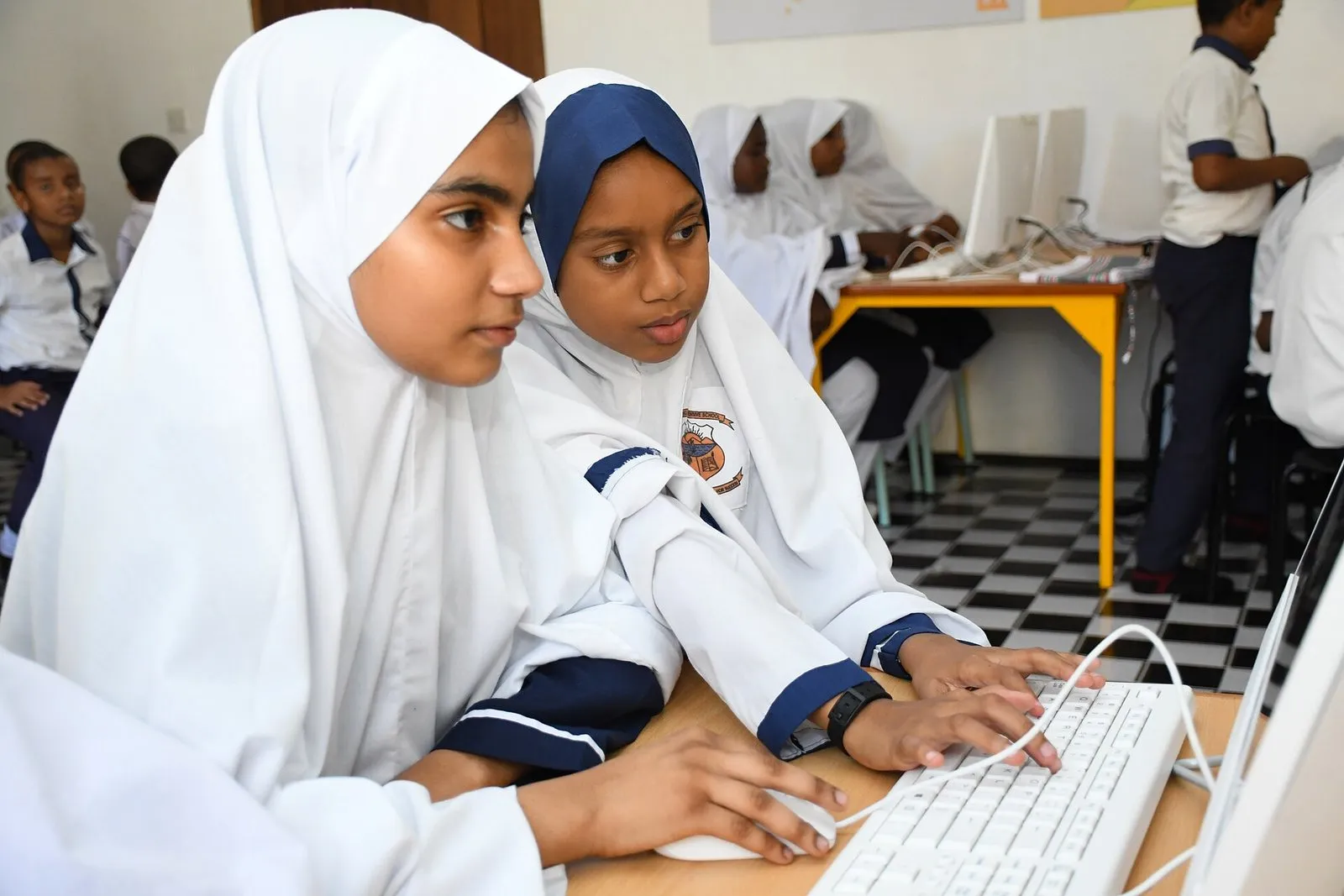
Anyone working in educational technology has heard the phrase “personalised learning” many times. A learning environment where every student moves at their own pace, gaps are spotted and closed right away, and content is matched to each student’s interests. The idea is not new. From teaching machines to programmed instruction, from intelligent tutoring systems to adaptive learning platforms, many technologies have arrived carrying the same promise. Today the new carrier of that promise is AI. So the question is: is something genuinely different happening this time?
First we need to be clear about what personalisation means, because the word is used for very different things. The simplest form is personalising pace. Everyone sees the same content in the same order, but each student moves at their own speed. One step further is personalising the path. The next piece of content or the next question changes based on the student’s performance, so a struggling student is sent to extra practice and a student who is doing well moves on to harder topics. The most ambitious form is personalising the content and the teaching approach itself: presenting the same concept to different students with different examples, different explanations and even different activities.
The first two have existed for decades, and there is a considerable body of experience showing they can work under certain conditions. Especially in areas like mathematics, where steps can be clearly defined, systems that give hints and choose exercises based on a student’s mistakes can be valuable support for teachers. What generative AI brings is that it makes the third type, producing content on the spot for each student, far more technically accessible. A system can now answer a student’s question in its own words, explain the same concept in ten different ways and build examples around the student’s interests.
This is a genuinely important change. A conversational assistant that tries a different explanation at the exact moment a student says “I don’t get it” is something a single teacher cannot do for thirty students at once. For a student who gets stuck on homework at home and has no one to ask, that kind of support can make a real difference.
The side of the promise that stays in the shadows
There are, however, several important problems, and they rarely appear in the marketing copy.
The first is accuracy. Nobody checks content generated for an individual student in advance. A textbook or a teacher’s material is reviewed before it is used. In an explanation generated on the spot, a conceptual error, missing information or a wrong example can reach the student directly. And because the student does not yet know the topic, they are in no position to notice. It is easy for a teacher to catch a mistake in AI output; for a student it is very hard.
The second problem is what the personalisation is based on. For a system to really know a student, it needs to know what they know, what they misunderstand and why. Inferring this from a chat history or a handful of answers is not as easy as it sounds. The result is often content shaped not by the student but by what the student wants in that moment, and those are not the same thing. A student may want what is easy, what is short, the ready-made answer. A good teacher sometimes wants exactly what the student does not, namely for them to struggle a little more.
I think this is the most critical point. Learning often requires a certain level of difficulty. Trying to think something through on your own, getting it wrong and trying again are important parts of lasting learning. A student who gets an instant explanation every time they get stuck may miss out on this productive struggle. If personalisation means removing every obstacle from a student’s path, it can make learning shallower rather than easier.
The same applies to a student’s ability to manage their own learning. Noticing what they do and do not know, deciding when to ask for help and planning how much time to give a topic are skills students need to build over time. In an environment where the system makes all of these decisions, a student always looks for the next step wherever they are pointed. That is why well-designed personalisation should gradually hand some of these decisions back to the student.
I also want to bring up learning styles here. In discussions of personalisation, the idea that students should be classified as visual, auditory or kinaesthetic learners and taught accordingly still comes up often. It has long been known that research does not support this idea. If a system promises you this kind of personalisation, that is a good reason to ask questions about its pedagogical foundations.
Where does the teacher stand?
Perhaps the most problematic side of the personalised learning narrative is that it treats learning as an individual process that happens in front of a screen. Yet learning is to a large extent social. Students learn by debating with each other, explaining things to one another and having their thinking challenged by a teacher’s question. A classroom where everyone moves along their own path on their own screen may look highly personalised on paper, but it can lose this important dimension of learning.
That is why I think the more realistic and more valuable approach is to see AI not as a system that takes students away from teachers, but as a tool that increases a teacher’s capacity to personalise. Think of a teacher quickly preparing three levels of the same activity, more easily seeing the common mistakes in students’ work, or offering support to a student who gets stuck outside class within limits the teacher has set. In these scenarios the teacher still makes the pedagogical decisions, and AI makes it possible to apply them to more students.
Equity cannot be ignored either. Access to personalised learning tools depends on having a device, an internet connection and an adult who can teach the student to use these tools wisely. A technology that could be strong support for students who have these resources can widen the gap with those who do not. Then there is data. For a system to know a student, it has to collect data about that student. Where this data is kept, who can access it and how long it is stored are questions that deserve attention, especially when children are involved.
To answer the question, AI-powered personalised learning is possible to a certain extent and genuinely useful in some areas. But a system that knows every student and teaches each of them the right thing at the right time is still a promise. When a school or a teacher evaluates a tool like this, I suggest asking what kind of personalisation it actually does, how the accuracy of its content is ensured, where the teacher stands in the process and how student data is protected. A system that cannot answer these questions clearly deserves caution, however impressive it looks.
See you soon.
Image: Queen Asali, CC BY-SA 4.0, Wikimedia Commons.